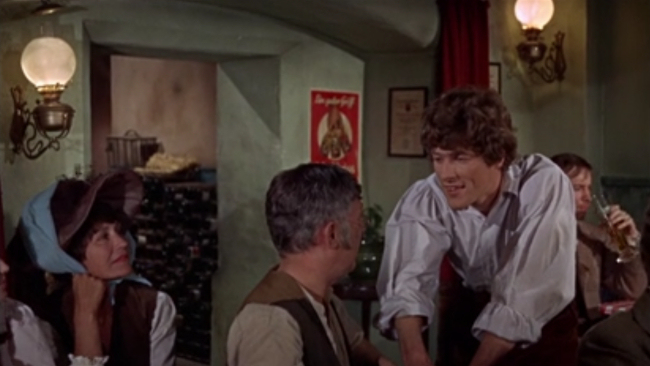
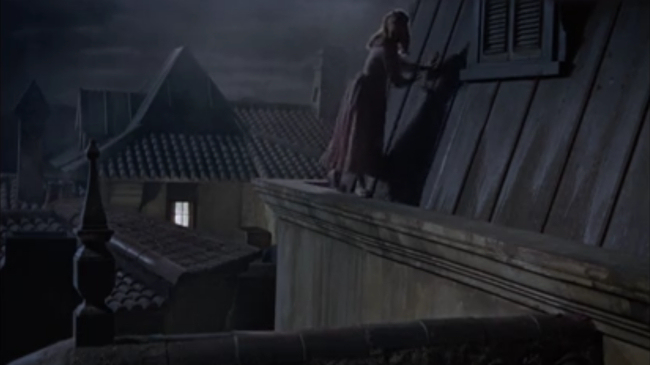
Even 2004 seems too recent for Disney to make a movie praising the American frontier but they sort of did with Home on the Range. Visually, the film calls back to the shorts about Pecos Bill and Johnny Appleseed from Melody Time, but of course the humour is much more ironic. Actually it feels quite a bit like '90s Warner Brothers cartoons, Animaniacs and Tiny Toons, except never funny. Well, I laughed once, when a chicken voiced by Estelle Harris incredulously asked, "Who would eat a chicken?!" Once again, this is a Disney movie with intelligent animals that raises the issue of humans eating them without taking it seriously. But everything about this movie is pretty insubstantial with the exception of one song.
Alan Menken returned to compose the music and most of the songs aren't very interesting. His work for Disney hadn't really been interesting since Pocahontas. And once again, none of the songs are performed by the characters, but rather by music stars, in this case country stars, off-screen. According to Wikipedia, one song, "Will the Sun Ever Shine Again", was written in response to the 9/11 attacks, which would have still been recent when the film was in production. Which makes sense of the fact that the song seems sincere and heartfelt and totally out of place in an otherwise vapid irony fest.
It's certainly the first time I ever appreciated Bonnie Rait.

The plot of the film itself concerns three dairy cows trying to catch a yodelling cattle rustler (Randy Quaid) so they can use the bounty to save their farm. The three cows are voiced by Roseanne Barr, Judi Dench, and Jennifer Tilly and their rapport is somewhat reminiscent of Flora, Fauna, and Merryweather from Sleeping Beauty. The tension between the newcomer "showcow" Maggie (Barr) and the dignified Mrs. Calloway (Dench) is presented as the film's central conflict but I never felt even slightly invested in it. The performances felt so isolated. It may be because I never liked Barr's style and always found her voice dully monotone but Dench also doesn't feel very present.
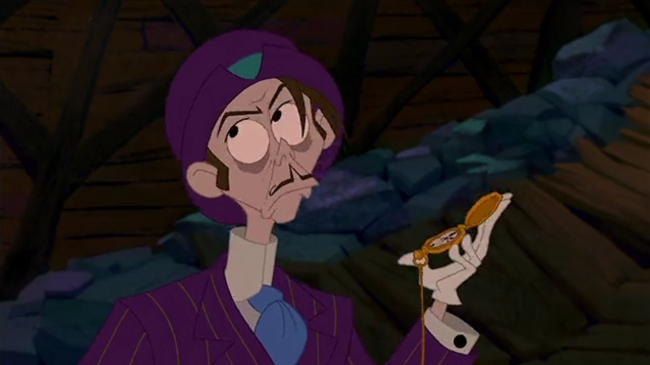
I was kind of amused by an appearance by Steve Buscemi, whose character was clearly modelled on him.
So this is the last 2D, traditionally animated Disney film until The Princess and the Frog in 2009. Considering the political motivations behind The Princess and the Frog, Home on the Range could be said to be the last traditionally animated film produced that way for its own sake. It's certainly no grand finale.
Home on the Range is available on Disney+.
...
This is part of a series of posts I'm writing on the Disney animated canon.
Snow White and the Seven Dwarfs
Pinocchio
Fantasia
Dumbo
Bambi
Saludos Amigos
The Three Caballeros
Make Mine Music
Fun and Fancy Free
Melody Time
The Adventures of Ichabod and Mr. Toad
Cinderella
Alice in Wonderland
Peter Pan
Lady and the Tramp
Sleeping Beauty
101 Dalmatians
The Sword in the Stone
The Jungle Book
The Aristocats
Robin Hood
The Many Adventures of Winnie the Pooh
The Rescuers
The Fox and the Hound
The Black Cauldron
The Great Mouse Detective
Oliver & Company
The Little Mermaid
The Rescuers Down Under
Beauty and the Beast
Aladdin
The Lion King
Pocahontas
The Hunchback of Notre Dame
Hercules
Mulan
Tarzan
Fantasia 2000
Dinosaur
The Emperor's New Groove
Atlantis: The Lost Empire
Lilo and Stitch
Treasure Planet
Brother Bear

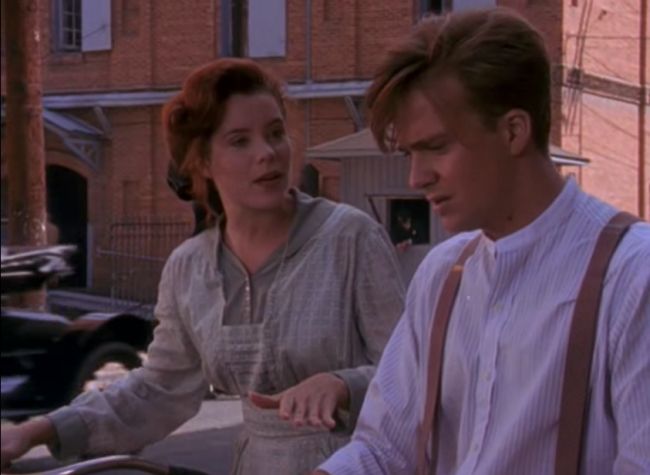





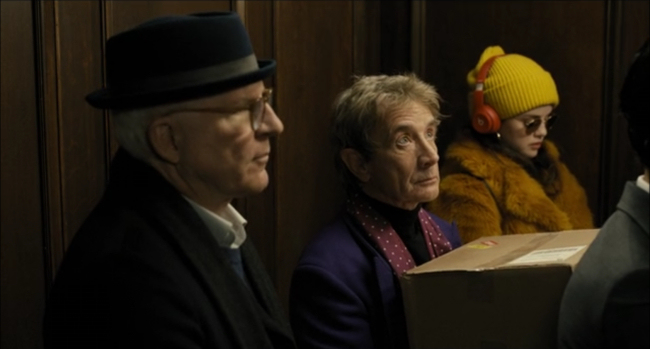 Every now and then, I do think, "I should watch a new show or movie unrelated to Star Wars or the MCU. I should get in touch with to-day." But then I go and pick something hopelessly un-hip, as I did last night when I watched the first two episodes of
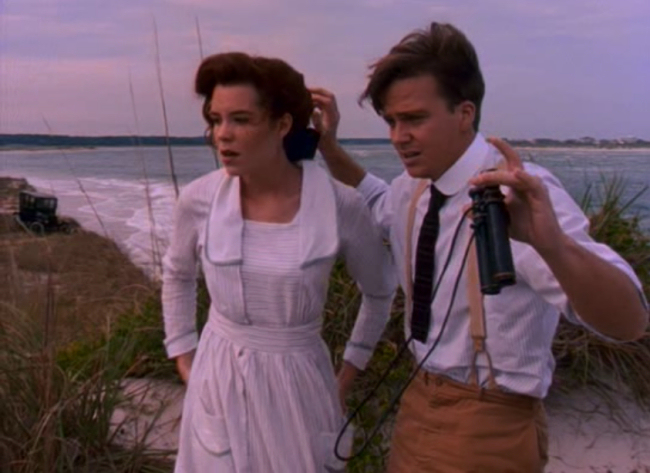
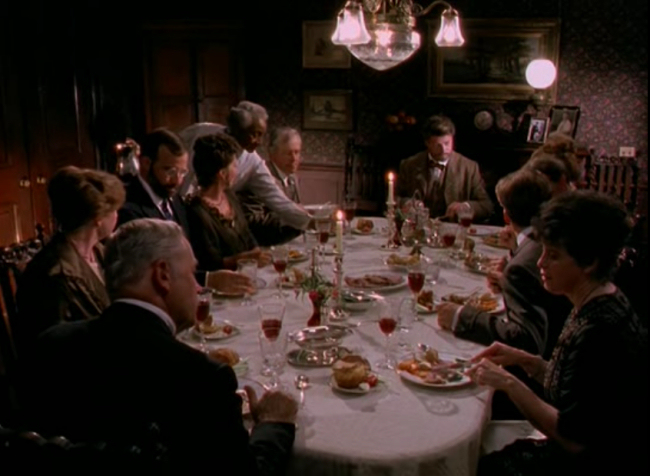
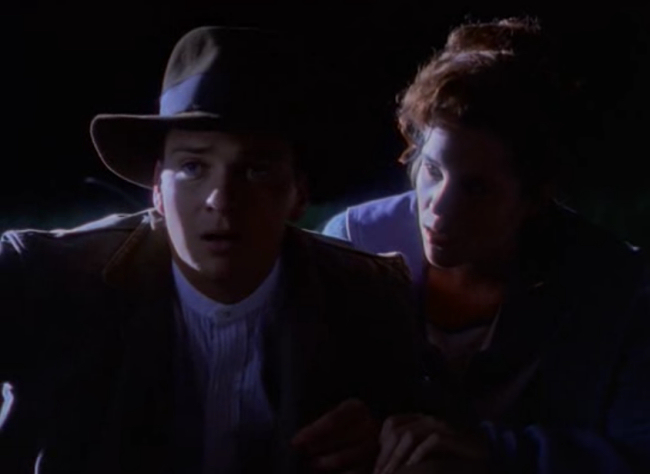
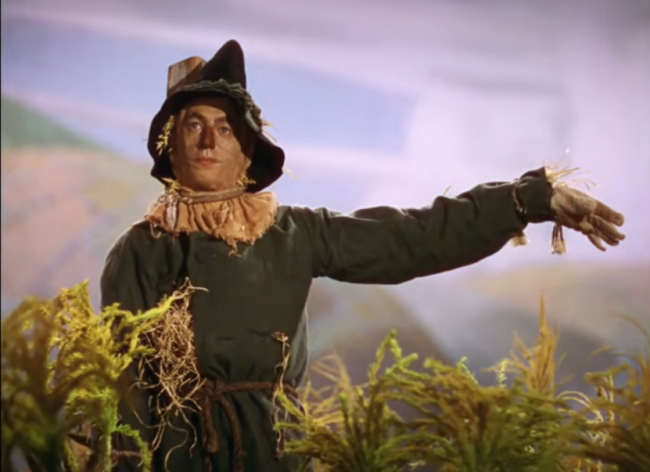
  Yeah, these hot young hooligans are obsessed with The Hardy Boys. They even have first edition hard backs. Charles, Martin's character, points out this is strangely old fashioned, as is Mabel's name. No explanation is really offered, though, the questions functioning as a half-gesture at lampshading. But the first episode, written by Steve Martin and John Hoffman, is an old man's fantasy. I'm old enough to know something about that idle urge to find young people who are genuinely interested in the stuff I loved as a kid. The hard truth to swallow for a lot of older people is that, most of the time, young people are desperate to get away and be with other people their own age. I was talking to a generation Z friend about her trip to a doctor a few months ago and she told me there's something that happens when older people talk, she finds that she can't focus and their words just start to lose meaning after a few minutes. I've seen it happen when I talk to her plenty of times, too. Her face just goes blank.
Knowing this adds an extra layer of bittersweet to a scene where Charles is picking a lock while Mabel stands behind him, waiting. He tells her about his parents and about how his father abused his mother and he promised himself he'd never allow himself to become like his father. And that's why he prefers to be alone.
Yeah, these hot young hooligans are obsessed with The Hardy Boys. They even have first edition hard backs. Charles, Martin's character, points out this is strangely old fashioned, as is Mabel's name. No explanation is really offered, though, the questions functioning as a half-gesture at lampshading. But the first episode, written by Steve Martin and John Hoffman, is an old man's fantasy. I'm old enough to know something about that idle urge to find young people who are genuinely interested in the stuff I loved as a kid. The hard truth to swallow for a lot of older people is that, most of the time, young people are desperate to get away and be with other people their own age. I was talking to a generation Z friend about her trip to a doctor a few months ago and she told me there's something that happens when older people talk, she finds that she can't focus and their words just start to lose meaning after a few minutes. I've seen it happen when I talk to her plenty of times, too. Her face just goes blank.
Knowing this adds an extra layer of bittersweet to a scene where Charles is picking a lock while Mabel stands behind him, waiting. He tells her about his parents and about how his father abused his mother and he promised himself he'd never allow himself to become like his father. And that's why he prefers to be alone.
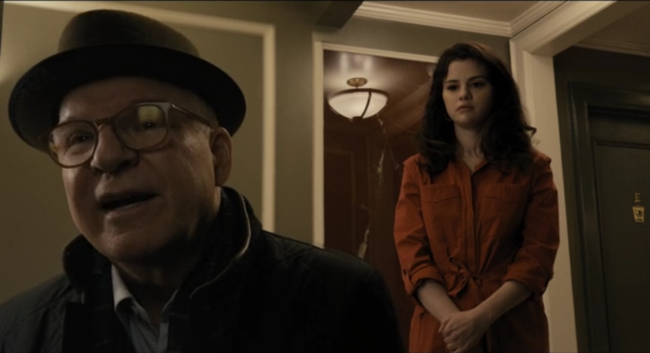 He says it a bit casually but the blocking of the actors and the composition of the shot say how much more is going on. Picking a lock means Charles has to be on his knees facing away from her while she stands, looking down on him while he tells this emotionally vulnerable story. We see he can't see her face change with shades of concern and empathy. This beautiful young woman, who's into old books, is genuinely interested in this old man. If it were in the five or six years after Lost in Translation came out, when this kind of thing was trendy, there'd likely have been a romance between the characters. Now I doubt Martin would dare.
Charles is an actor who hasn't been successful since the early '90s while Martin Short's character, Oliver, is an unsuccessful Broadway director who's secretly behind on his rent. During that lockpick scene in the first episode, Oliver's off begging his son for money so he can pay rent. Considering the separate career trajectories of Martin and Short, and how often it's seemed like Martin casts Short out of charity, it seems like there's a bit of truth in these characters. The fact that they're both in the entertainment business also might indicate this is personal. On the other hand, it probably made the characters much easier to write and perform.
Both of the first two episodes are directed by Jamie Babbett (The Marvellous Mrs. Maisel, The Orville, The L Word). The second episode is written by Family Guy writer Kirker Butler and naturally starts to drift away from the more sentimental aspects. Still, nothing too crazy happens.
Only Murders in the Building is available on Disney+ outside the U.S. and on Hulu in the U.S.
He says it a bit casually but the blocking of the actors and the composition of the shot say how much more is going on. Picking a lock means Charles has to be on his knees facing away from her while she stands, looking down on him while he tells this emotionally vulnerable story. We see he can't see her face change with shades of concern and empathy. This beautiful young woman, who's into old books, is genuinely interested in this old man. If it were in the five or six years after Lost in Translation came out, when this kind of thing was trendy, there'd likely have been a romance between the characters. Now I doubt Martin would dare.
Charles is an actor who hasn't been successful since the early '90s while Martin Short's character, Oliver, is an unsuccessful Broadway director who's secretly behind on his rent. During that lockpick scene in the first episode, Oliver's off begging his son for money so he can pay rent. Considering the separate career trajectories of Martin and Short, and how often it's seemed like Martin casts Short out of charity, it seems like there's a bit of truth in these characters. The fact that they're both in the entertainment business also might indicate this is personal. On the other hand, it probably made the characters much easier to write and perform.
Both of the first two episodes are directed by Jamie Babbett (The Marvellous Mrs. Maisel, The Orville, The L Word). The second episode is written by Family Guy writer Kirker Butler and naturally starts to drift away from the more sentimental aspects. Still, nothing too crazy happens.
Only Murders in the Building is available on Disney+ outside the U.S. and on Hulu in the U.S.